
Share
Editor's Note - Updated May 2026: This post has been updated to reference the JBREC + Kiavi Q1 2026 Fix and Flip Survey, which covers the latest FFMI reading, regional renovation cost breakdowns, and the record share of flippers planning to hold more homes as rentals this year. Read it here ->
Wondering where you might find your next successful house flip in 2026? You're not alone.
According to the JBREC + Kiavi Fix-and-Flip Quarterly Survey, 71% of flippers plan to buy more houses in 2026 than they did in 2025—the highest share recorded so far. This shows the real estate market is expanding, but where can you find the best opportunities?
We analyzed the latest JBREC + Kiavi Fix-and-Flip Survey data and reviewed hundreds of forum discussions from active real estate investors currently deploying capital.
What we found may surprise you—according to the data, the highest ROI markets aren't in Florida or Texas, but instead, in the Midwest and Northeast, where supply constraints could be opening up investment opportunities.
In this post, you'll discover data-backed insights for:
- 7 of the best markets for flippers
- What professional REIs look for when selecting markets
- Potential entry price ranges for each market
Let’s dive in.
How we pinpointed these cities (our methodology)
Each city on this list was evaluated against 5 pillars that experienced real estate investors use when vetting markets.
1. Affordability: A median home price well below the national average, with a healthy inventory of properties priced below $150,000.
2. Economic drivers: Strong population and job growth, fueled by major corporate investments (usually tech, manufacturing, and healthcare).
3. Profit potential: A healthy gap between the average cost of distressed properties and the median sales price (potential ARV).
4. Investor friendliness: Reasonable property taxes, landlord-friendly laws (for DSCR exits), and increasing real estate investment activity.
5. Days on market: Properties on the market for under 60 days often have lower holding costs and faster capital recycling.

1. Columbus, Ohio: The Midwest's Booming Tech Hub
It's no news that Columbus has transformed from the sleepy state capital it once was. Intel is currently building a $28 billion semiconductor plant in the area, while Google, Amazon, and Meta have also collectively poured billions into data centers and campuses in the metro area.
The result? A 22% surge in tech job growth and a growing wave of new, well-paid residents who likely need a place to live.
Why Columbus could be a top market for real estate investment:
- Affordability: You may find properties in up-and-coming neighborhoods for $80K-$150K that could only need cosmetic work.
- The Opportunity: The increase in high-paying tech jobs in the area could create an increased demand for high-quality renovated housing. This may translate to increased opportunities for flippers who know how to provide turnkey products.
- Median Sale Price: $226,467, according to Zillow
- Median Days to Pending: 24
- Average YoY Appreciation: +7.4%
With fixer-upper purchase prices ranging from $80,000 to $150,000, significantly lower than the $226,467 median home price, Columbus could present a strong opportunity for fix-and-flip investors. Similarly, the market's approximate 7.4% year-over-year appreciation offers a favorable cushion for your After Repair Value (ARV) projections.
Kiavi tip for out-of-state REIs: Consider partnering with a local, investor-focused real estate agent who knows the submarkets and can help you find deals.
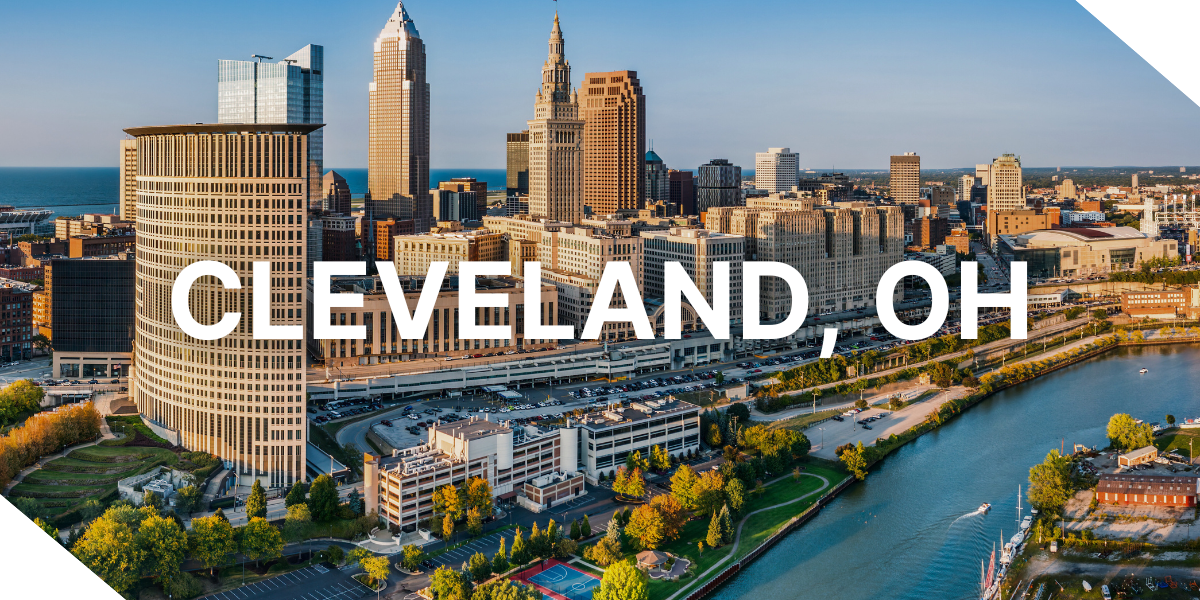
2. Cleveland, Ohio: The Cash Flow Champion
If you're looking for the most affordable real estate market on this list, this could be it.
Cleveland may offer some of the best affordability and rent-to-yield ratios of any U.S. metro, according to Rentometer, allowing you to potentially purchase properties for as little as $50,000-$80,000. Plus, downtown Cleveland has over $1 billion in projects under construction.
Why Cleveland could be a top market for real estate investment:
- Median Sale Price: $105,000 according to Zillow
- Median Days to Pending: 25
- Cash Flow Backup: With a median rent of $1,200, Cleveland has a rent-to-price ratio of 0.96, which means it could be easier to find properties here that satisfy the 1% rule (where rent equals 1% or more of the purchase price).
- Average YoY Appreciation: +5%
Cleveland could offer a unique advantage due to its flexibility. If the fix-and-flip market experiences a downturn, investors may easily pivot to a rental strategy. This makes Cleveland potentially one of the strongest markets for transforming a flipped property into a lucrative, high-yield rental.
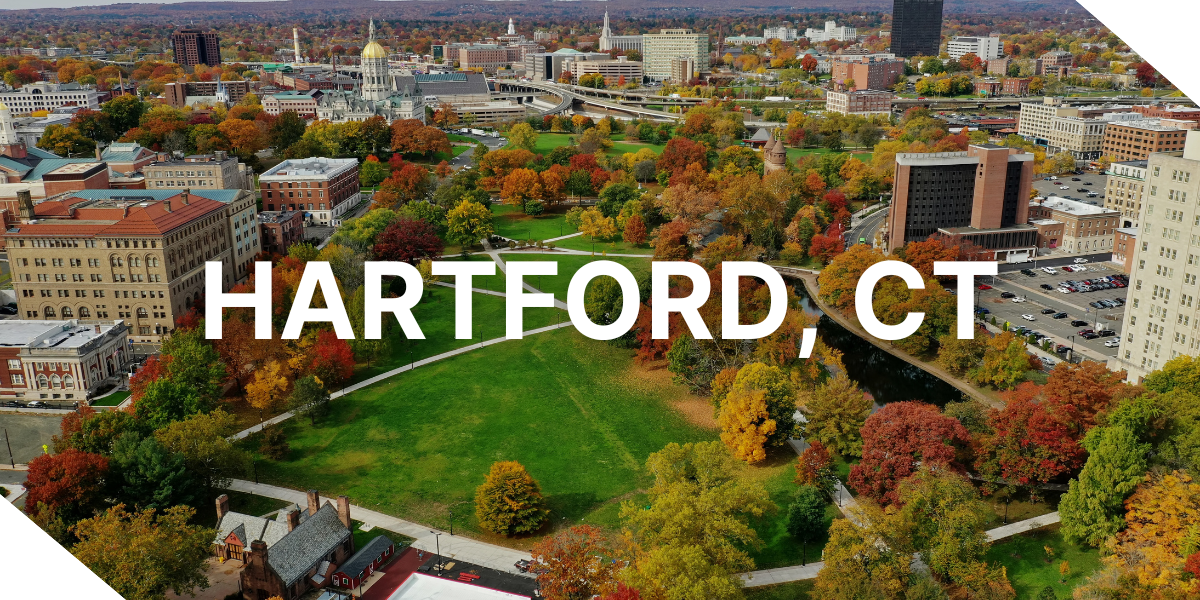
3. Hartford, Connecticut: The Inventory Shock Winner
Zillow named Hartford the #1 hottest market in 2026 and beat out back-to-back winner Buffalo to claim the top spot—and it’s easy to see why.
Hartford's home inventory is currently 63% lower than its pre-pandemic levels, and neither sellers nor builders may be able to adequately fill this supply gap anytime soon. This means buyers are competing hard for every available move-in-ready property.
Why Hartford is a top market:
- Hartford was named Zillow's hottest market of 2026. 66.4% of listed homes in Hartford sold over asking in 2025, and it had the second-lowest share of homes with a price cut, at just 16.5%
- Median Home Price: $322,000, according to Redfin.
- Average Entry Price Range: $150,000-$300,000
- Median Days to Pending: 44
- Buyer Profile: Often high-income relocations from neighboring New York City and Atlanta.
- Hartford properties with an average price of $300,000, generating around $21,000 ($1,750/month) in annual rental income, meet the 7% rule. This means you could potentially employ a rental exit if your Hartford flip doesn't sell on time.
- Average YoY Appreciation: +15%
According to Redfin, the largest inbound migration into Hartford comes from New York City—high income professionals who might have been priced out of their home market and may need a nearby turnkey product fast.
Kiavi Tip: For investors tracking bridge loan conditions across Massachusetts and the broader New England region, Kiavi's Q2 2026 Massachusetts fix-and-flip market analysis breaks down acquisition price shifts, average loan size trends, and first-time borrower activity across Massachusetts and surrounding states, offering a data-level view of where investor activity may be shifting heading into mid-year.

4. St. Louis, Missouri: Cash Flow King of the Midwest
St. Louis has a quiet advantage that could be easy to overlook, as it's home to one of the largest inventories of historic brick duplexes in the U.S.
Beyond single-family homebuyers, you could potentially flip renovated duplexes to house hackers, or real estate investors (REIs) who buy small multifamily properties, live in one unit, and rent out the rest.
In neighborhoods like Botanical Heights and Tower Grove South, duplexes selling for $220,000-$280,000 may be generating cap rates of 9-11% and cash-on-cash returns of 8-10% with 25% down. That's a compelling pitch for REIs.
With a low price-to-rent ratio of 13.6, this diverse market could be a haven for cash flow.
Why St. Louis is potentially a top real estate market:
- Duplex Deals: The city is famous for its brick duplexes and multifamily properties
- Average Entry Price Range: $100,000 - $150,000
- Median Sale Price: $261,667 according to Zillow
- Median Days to Pending: 17
- Average YoY Appreciation: +4.1%
Kiavi Tip: Finding reliable contractors could be a challenge, especially if you invest from out of state. Before making an offer, consider joining a local REI Facebook Group or BiggerPockets to get vetted recommendations from local REIs.
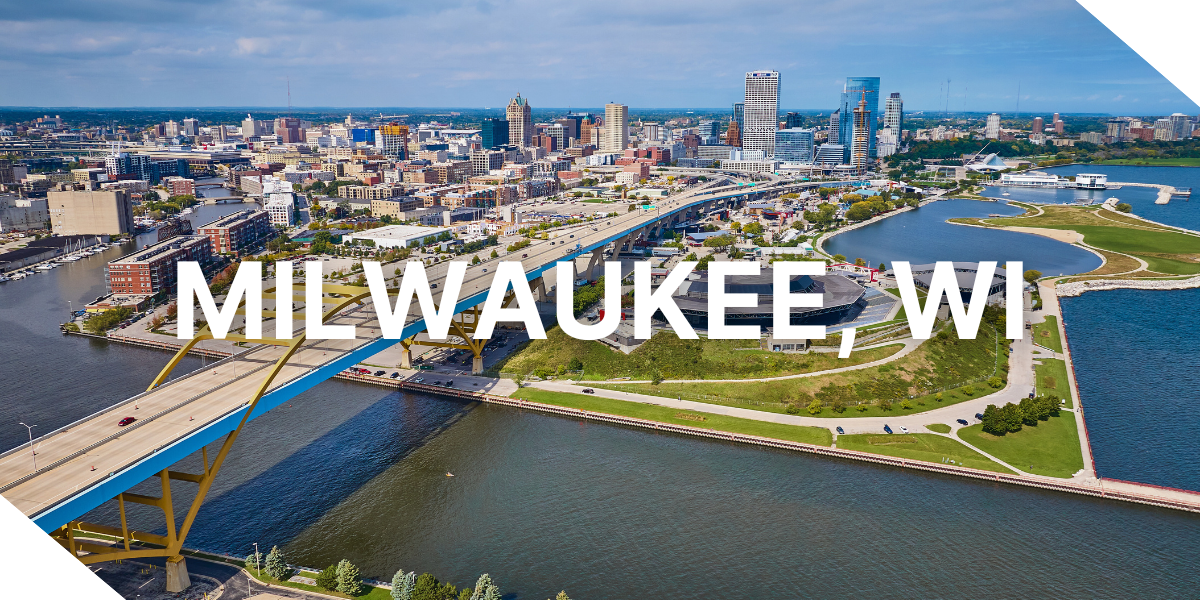
5. Milwaukee, Wisconsin: The Cash Flow and Appreciation Goldmine
With coastal hubs such as San Francisco, Los Angeles, and Chicago becoming too expensive for the average buyer, the question is: Where are they moving?
Many may be heading north, to Milwaukee.
Ranked by Zillow as one of the best markets for 2026, this city boasts a combination of vibrant culture and a stable economy. Redfin data shows that the median price in Milwaukee sits at just $230,000, and prices have increased 9.5% over the past year.
Another distinct feature of the Milwaukee real estate market is the "Polish flat." These historic, two-story duplexes were constructed by Eastern European immigrants in the late 1800s and account for a significant portion of Milwaukee's housing inventory, particularly on the South Side.
You might be able to acquire them for $100,000-$150,000 in some neighborhoods, according to Zillow.
Renovated and positioned correctly, they could attract house hackers.
Why Milwaukee may be a top real estate market:
- Median Sale Price: $206,633, according to Zillow
- Median Days to Pending: 31
- Average YoY appreciation: +9.5%
You might also consider focusing on rapidly appreciating neighborhoods like Bayview, Riverwest, or areas bordering Wauwatosa.
By providing updated, character-filled homes in these pockets, you may easily attract buyers from the growing pool of high-income healthcare and manufacturing professionals seeking an urban lifestyle—without the Chicago price tag.
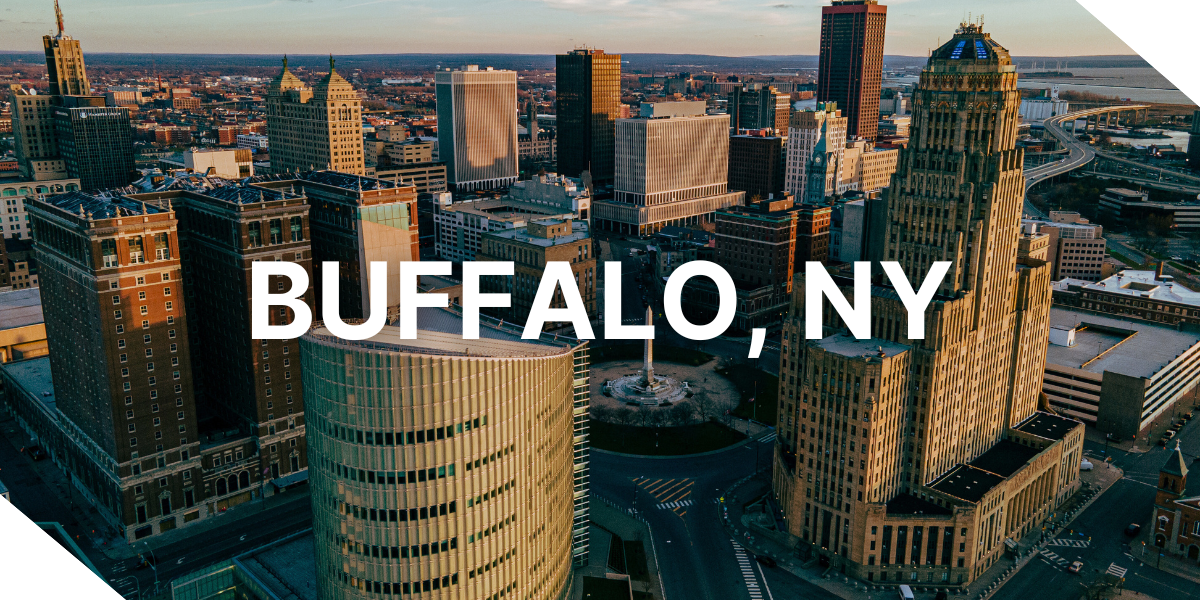
6. Buffalo, New York: The Emerging Northeast Value Market
For two consecutive years, 2024 and 2025, Buffalo claimed the top spot on Zillow's list of hottest markets. Although it slipped to second place in 2026, just behind Hartford, this consistent high ranking signals a trend that may be worth paying attention to.
Why Buffalo could be a top real estate market:
- Entry Price Range: $60,000-$95,000
- Median Sale Price: $240,167, according to Zillow
- Median Days to Pending: 22 (Hot properties can go under contract in as few as 10 days)
- Average YoY Appreciation: +15.6%
- Buffalo's Redfin Compete score of 86 out of 100 makes it one of the most competitive markets in the country.
Buffalo has a slew of historic homes that need renovation, and potentially very little new construction competition.
Contractor Insight: Buffalo has witnessed a lot of historic rehab projects over the last ten years. This could imply that the market may have a pool of experienced, reliable contractors, compared to bigger sunbelt markets where experienced tradespeople could be harder to find.

7. Kansas City, Missouri: The Affordable Growth Market
Despite its strong appreciation, Kansas City hasn't received the same attention as markets like Hartford and Buffalo. However, for this same reason, the market may still be worth considering.
Why Kansas City could be a top real estate market:
- Entry Price Range: $90,000-$130,000
- Median Sale Price: $264,498 according to Zillow
- Median Days to Pending: 28
- Median YoY appreciation: 9.7%
- Job Growth Opportunities: Retail, logistics, tech sectors expanding
What might be driving the strong appreciation? Kansas City is hosting the 2026 World Cup, and the city is on plan to fast-track over $1 billion in projects, including the $500M+ West Bottoms neighborhood revitalization and a $480M mixed-use downtown project.
Conclusion
Many experienced real estate investors understand that the key to choosing the right market is often looking for a mix of affordability, landlord-friendly laws, and solid economic growth. Many of the markets on this list could tick all three boxes.
Planning to flip houses in any of these markets or another? Get an online estimate with Kiavi in just a few minutes.
Frequently Asked Questions (FAQs)
1. Which is the best state to invest in fix and flips?
Ohio could make the strongest case right now, according to insights from multiple sources such as Zillow. In 2026, no state has more markets on the radar of serious real estate investors than Ohio.
Cleveland, Cincinnati, and Columbus may also offer affordable entry points, strong buyer demand, and gross profit margins that's potentially well above the national average of 23.1%.
According to ATTOM's Q3 2025 Home Flipping Report, homes purchased between the $100K-$200K range, Ohio's sweet spot, generated the highest average profit margins nationally, at 31%.
The JBREC + Kiavi Q4 2025 Fix-and-Flip Survey reinforces this. Midwest flippers are the most optimistic of any region about their sales over the next six months.
2. Will property prices increase in 2026?
Potentially, yes, Redfin economists forecast the average U.S. home value will rise by 1% in 2026. That's slower than previous years, but still positive. However, the 1% national appreciation forecast could mask significant local variations.
For some markets on this list—like Hartford (+15% YoY) and Buffalo (+15.6% YoY), prices could be growing at over ten times the national rate.
3. How risky is it to flip houses?
Flipping houses is an investment strategy that, when backed by data, shows potential for growth. While all real estate involves calculated risk, current market indicators are positive:
- Growing Market Confidence: The Fix-and-Flip Market Index (FFMI) rose to 62 in Q4 2025, signaling an expanding and healthy market environment.
- High Flipper Optimism: A record 71% of flippers expect to increase their home purchases in 2026, the highest share in the JBREC + Kiavi Fix-and-Flip Survey history.
- Smart Profit Margins: Professional flippers could mitigate risk by purchasing homes at an average of 66% of their After-Repair Value (ARV), providing a potentially significant equity cushion.
- Strong Demand: Sales activity is trending upward, according to the JBREC + Kiavi Fix-and-Flip Survey, with current sales ratings reaching their highest levels since mid-2024.
By focusing on entry-level buyers, who now account for 50% of all flipped home sales, investors could target an active and reliable segment of the market.
Kiavi Tip: The Q1 2026 JBREC + Kiavi Fix and Flip Survey shows the FFMI has since climbed to 63, with all three subindices above 50 and ARV performance improving quarter-over-quarter. See the latest Q1 2026 fix-and-flip survey results for the updated data.
%20(1).png)
Explore Related Content

Arizona Fix-and-Flip Markets: 4 Top Cities Compared (2026)
Arizona remains one of the most active fix-and-flip states in the country, with four distinct..

Is Massachusetts the Northeast's Next Fix-and-Flip Opportunity?
Fix-and-flip bridge loan activity across New England pulled back in Q1 2026, continuing a..

Mid-Year Fix-and-Flip Market Check: Where Investors Are Winning in 2026
Not every fix-and-flip market is moving the same direction in 2026. Some states entered the..
You are leaving kiavi.com. Do you want to continue?