
Share
Not every fix-and-flip market is moving the same direction in 2026. Some states entered the second half of the year with rising home prices, fast-moving inventory, and strong investor activity. Others offer a different kind of opportunity: more inventory, motivated sellers, and acquisition pricing that may be more favorable than it was a year ago. Using Kiavi's Q1 2026 investor deal activity data alongside current housing market conditions from Redfin, this mid-year check breaks down which markets may offer the strongest fundamentals for H2 deals and what to watch in markets where conditions call for a more selective approach.
Key Takeaways
- New Jersey investor deal activity rose 33.1% year-over-year in Q1 2026, per Kiavi data, with Redfin reporting 43.6% of homes selling above list price in March 2026.
- Ohio home prices rose 5.1% year-over-year through March 2026, per Redfin, with sales volume also up, suggesting strong buyer absorption.
- Nevada investor deal activity rebounded 11.9% quarter-over-quarter in Q1 2026, per Kiavi data, though Redfin shows 21.4% of homes experiencing price drops statewide.
- North Carolina's Charlotte market posted 2.1% price growth year-over-year with homes selling in around 55 days, supporting steady mid-market deal flow.
Mid-Year Fix-and-Flip Market Check: Where Investors Are Winning in 2026
The difference between a good flip and a bad one often comes down to market selection. Buy in the right market and rising prices, fast buyer demand, and tight inventory could all work in your favor. Buy in the wrong one and you may be fighting longer hold times, softening ARVs, and a buyer pool with options.
With the first half of 2026 behind us, this mid-year check looks at which markets may offer the strongest setup for H2 deals and which ones are flashing caution signals. The analysis combines first-half investor deal activity from Kiavi's Q1 2026 lending data with current housing market conditions from Redfin, covering median sale prices, days on market, and sale-to-list ratios.
What the Data Shows (and What It Does Not)
First-half deal activity tends to reflect real investor conviction: investors were confident enough in a market's purchase prices, renovation economics, and resale demand to commit capital. A market where deal activity grew year-over-year could suggest that more investors found the fundamentals workable. A market where it contracted may indicate rising execution risk, tighter margins, or conditions that made it harder to underwrite a profitable flip.
This data is a directional signal, not a guarantee. Market conditions shift, and the numbers here reflect Q1 2026 activity from January through March. But as a starting point for H2 deal planning, it is one of the clearer reads available on where investor confidence was building heading into summer.
The table below summarizes where each market stands across the four metrics that matter most for fix-and-flip underwriting: price trend, days on market, buyer competition, and investor deal activity. Full market breakdowns follow in each section below.
|
State |
Median Home Price |
YoY Price Change |
Median Days on Market |
Homes Sold Above List |
Investor Deal Activity (YoY) |
H2 Signal |
|
New Jersey |
$545,300 |
+3.7% |
50 days |
43.6% |
+33.1% |
Strong Momentum |
|
Ohio |
$262,900 |
+5.1% |
47 days |
29.9% |
+15.1% |
Strong Momentum |
|
North Carolina |
$381,700 |
+0.3% |
77 days |
16.8% |
+5.1% |
Steady |
|
Nevada |
$461,200 |
+0.8% |
81 days |
16.5% |
+11.9% QoQ |
Recovering |
|
Texas |
$338,384 |
-0.5% |
69 days |
12.0% |
-1.7% |
Buyer's Market |
|
Florida |
$393,701 |
+2.3% |
70-84 days |
10.2% |
-41.0% |
Selective Entry |
Source: Redfin state housing market pages, March/April 2026; Kiavi Q1 2026 Investor Deal Activity Data, May 2026
The Markets With the Strongest H2 Setup
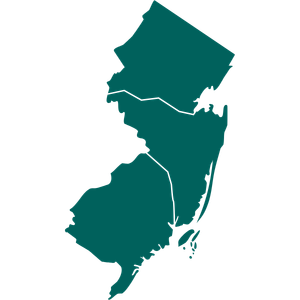
New Jersey: Price Growth, Competitive Buyers, and Rising Deal Flow
New Jersey may be one of the most compelling fix-and-flip markets heading into the second half. Real estate investor deal activity grew 33.1% year-over-year and deal volume climbed 34.6%, the strongest year-over-year gain of any top-10 state in Kiavi's Q1 2026 data. That kind of growth suggests real estate investors found New Jersey's fundamentals workable, and the housing market data supports why.
Redfin's March 2026 data shows New Jersey home prices up 3.7% year-over-year, with a median sale price of $545,300. More telling for fix-and-flip investors: 43.6% of homes sold above list price, and the sale-to-list price ratio held at 100.7%. Those are exit conditions that tend to support profitable flips when the acquisition basis and renovation budget are disciplined.
The structural driver may be the NYC proximity effect. Redfin identified Northern New Jersey, including Jersey City, as one of the nation's hottest housing markets for 2026, fueled by return-to-office demand and a workforce pricing itself out of Manhattan. Bergen, Essex, and Hudson counties could be worth particular attention for investors who can source deals in commuter-belt neighborhoods with strong buyer demand.
|
Metric |
Q1 2025 |
Q1 2026 |
YoY Change |
|
NJ Median Home Price |
~$525,000 |
$545,300 |
+3.7% |
|
Homes Sold Above List Price |
N/A |
43.6% |
N/A |
|
Investor Deal Activity |
Baseline |
+33.1% YoY |
+33.1% |
Source: Redfin New Jersey Housing Market, March 2026; Kiavi Q1 2026 Investor Deal Activity Data, May 2026
Kiavi Tip: New Jersey's median price point appears to be well above national averages. Real estate investors used to Midwest acquisition costs may need to recalibrate ARV models. Running comps at the zip-code level rather than the county-level may produce more accurate exit estimates in markets with this much neighborhood-level price variation.
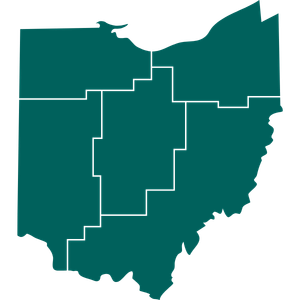
Ohio: Low Entry Costs, Rising Prices, Buyers Are Absorbing Inventory
Ohio may be the most investor-friendly affordability story in the country right now. The median home price statewide was $262,900 in March 2026, well below the national average, and Redfin data shows prices up 5.1% year-over-year with homes sold up 2.4%. Price growth and volume growth together suggest buyer demand is absorbing inventory rather than stalling out, which is the condition fix-and-flip investors want to see on the exit side.
Investor deal activity in Ohio grew 15.1% year-over-year in Q1 2026, and deal volume rose 17.4%. The combination of low acquisition cost, rising prices, and growing buyer absorption may explain why Ohio keeps attracting investor attention even as higher-cost markets soften.
According to the data, two cities stand out. Columbus posted a median sale price of $292,000 as of April 2026, up 6.0% year-over-year, with homes selling in around 44 days. Cleveland runs even leaner on acquisition cost, with a median of around $135,000, and Redfin named it one of six "hot" markets nationally for 2026, citing affordability, rent growth, and an employment base anchored by the Cleveland Clinic and Sherwin-Williams. For real estate investors focused on spread between acquisition-plus-renovation and resale, Ohio offers entry points that are difficult to find in coastal markets.
|
Metric |
Q1 2025 |
Q1 2026 |
YoY Change |
|
OH Median Home Price |
~$250,200 |
$262,900 |
+5.1% |
|
Homes Sold YoY |
Baseline |
+2.4% |
+2.4% |
|
Investor Deal Activity |
Baseline |
+15.1% YoY |
+15.1% |
Source: Redfin Ohio Housing Market, March 2026; Kiavi Q1 2026 Investor Deal Activity Data, May 2026
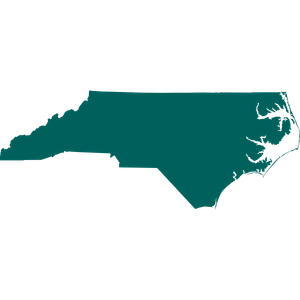
North Carolina: Steady Demand, Mid-Market Sweet Spot
North Carolina did not post the headline growth numbers of New Jersey or Ohio, but deal activity grew 5.1% year-over-year and volume climbed 6.2%, and the housing market conditions point to a market that may have durable mid-range demand.
Charlotte's April 2026 data from Redfin shows home prices up 2.1% year-over-year with a median of $429,000 and homes selling in around 55 days. That days-on-market figure matters for flippers: 55 days is slow enough to potentially absorb a well-renovated property without urgency pressure, but fast enough to keep hold times within a manageable window. Charlotte's price range may also support multiple flip tiers, from workforce renovations under $350,000 to higher-end in-fill projects in desirable neighborhoods.
One flag worth noting: Redfin's March 2026 statewide data shows median days on market at 77 days across North Carolina, up 18 days year-over-year. That statewide trend could be worth tracking, since extended hold times affect carrying costs directly. Real estate investors focused on North Carolina may want to prioritize submarkets with tighter days on market rather than relying on the statewide average.
|
Metric |
Q1 2025 |
Q1 2026 |
YoY Change |
|
Charlotte Median Home Price |
~$420,000 |
$429,000 |
+2.1% |
|
NC Statewide Median Days on Market |
59 days |
77 days |
+18 days |
|
Investor Deal Activity |
Baseline |
+5.1% YoY |
+5.1% |
Source: Redfin Charlotte Housing Market, April 2026; Redfin North Carolina Housing Market, March 2026; Kiavi Q1 2026 Investor Deal Activity Data, May 2026
The Markets Where Disciplined Underwriting Creates Opportunity
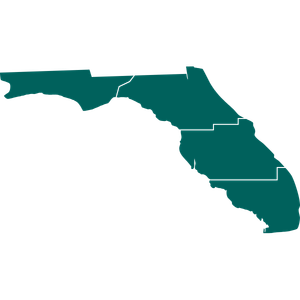
Florida: More Inventory, More Negotiating Power, Higher Execution Bar
According to Kiavi's Q1 2026 proprietary data, real estate investor deal activity fell 41.0% year-over-year and deal volume dropped 44.3%, potentially reflecting a recalibration after one of the most active fix-and-flip periods in recent memory. The housing market data helps explain the shift.
Redfin's April 2026 data shows median days on market at 70 days statewide, up 3 days year-over-year, with 20.6% of homes experiencing price drops. For fix-and-flip investors, that price drop rate is worth factoring into ARV assumptions at acquisition, particularly in markets where comp pools include distressed or price-reduced listings.
Insurance costs could be a significant variable that has changed the Florida deal math. Redfin's 2026 market forecast flagged coastal Florida as a market where elevated insurance costs might be affecting both hold period expenses and buyer affordability at resale. HouseCanary's Q1 2026 Florida analysis reported the statewide median closed price at approximately $394,000 and median days on market at 84 days. Real estate investors who account for these variables upfront may still find viable deals, particularly in inland markets and affordable price tiers where insurance exposure is lower and buyer demand may be more durable.
Florida's size works in real estate investors' favor. Redfin's April 2026 data shows prices up 2.3% year-over-year and homes sold up 5.5%, which suggests demand is still present in some areas. Real estate investors who know which submarkets are absorbing inventory may find that the broader pullback has actually created better acquisition pricing than was available twelve months ago.
|
Metric |
Q1 2025 |
Q1 2026 |
YoY Change |
|
FL Median Closed Price |
~$399,000 |
$394,000 |
-1.3% |
|
FL Median Days on Market |
68 days |
84 days |
+16 days |
|
Investor Deal Activity |
Baseline |
-41.0% YoY |
-41.0% |
Source: HouseCanary Florida Housing Market, May 2026; Redfin Florida Housing Market, April 2026; Kiavi Q1 2026 Investor Deal Activity Data, May 2026
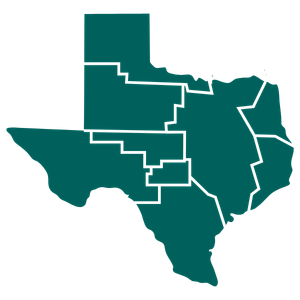
Texas: A Buyer's Market That May Favor Investors With Patience
Texas is entering a phase that experienced real estate investors often find attractive: According to Kiavi’s proprietary data, inventory is up, buyers have options, and sellers are more motivated than they have been in years. That dynamic creates potential acquisition opportunities for real estate investors who source at the right price and underwrite hold times conservatively.
Redfin's April 2026 statewide data shows the Texas median home price at $338,384, down 0.5% year-over-year, with median days on market at 69 days, up 6 days year-over-year. Roughly 12.0% of homes sold above list price, and 25.4% of listings had price drops. That environment may create room to negotiate better acquisition terms than were available in 2024 or early 2025.
The trade-off may be the exit side. Redfin's 2026 market forecast noted Texas as a market where days on market could remain elevated. Real estate investors who build extended hold times into their underwriting and focus on price points where buyer demand may still be strongest may find that the current environment offers a more attractive entry window than the frenzied conditions of prior years.
Texas is also geographically diverse enough that statewide numbers may obscure meaningful variation. Dallas-Fort Worth, Houston, Austin, and San Antonio each have their own supply and demand dynamics, and some submarkets may be holding up considerably better than the state average suggests.
|
Metric |
Q1 2025 |
Q1 2026 |
YoY Change |
|
TX Median Home Price |
N/A |
$338,384 |
-0.5% |
|
TX Median Days on Market |
63 days |
69 days |
+6 days |
|
Homes Sold Above List Price |
N/A |
12.0% |
N/A |
|
Investor Deal Activity |
Baseline |
-1.7% YoY |
-1.7% |
Source: Redfin Texas Housing Market, April 2026; Kiavi Q1 2026 Investor Deal Activity Data, May 2026
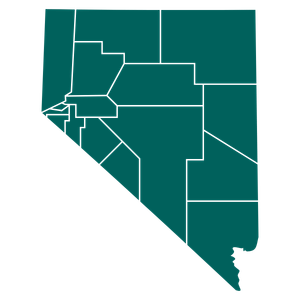
One to Watch in H2: Nevada's Rebound and What It May Signal
Nevada is one of the most interesting split stories in the first-half data. Year-over-year, real estate investor deal activity fell 16.9% and volume dropped 15.3% compared to Q1 2025, according to Kiavi. But quarter-over-quarter, Nevada posted the strongest rebound of any top-10 state: deal activity up 11.9% and volume up 18.5% from Q4 2025 to Q1 2026.
That QoQ jump may reflect investors re-engaging with a market they pulled back from in late 2025, possibly drawn by more attractive acquisition prices.
Houzeo's April 2026 Las Vegas data shows the median sale price at $440,000, with homes selling in approximately 56 days and a sale-to-list ratio of 97.6%. Those conditions suggest a functional but buyer-favorable market, meaning real estate investors may find better entry prices than a year ago, but exits could take longer than in tighter markets.
Redfin's February 2026 Nevada data shows 21.4% of homes experiencing price drops statewide, with median days on market at 81 days. Investors considering Nevada in H2 may want to factor both the improved acquisition environment and the slower exit pace into their deal underwriting.
|
Metric |
Q4 2025 |
Q1 2026 |
QoQ Change |
|
NV Median Home Price |
N/A |
$461,200 |
+0.8% YoY |
|
Las Vegas Median Price |
N/A |
$440,000 |
-0.4% YoY |
|
Investor Deal Activity |
Baseline |
+11.9% QoQ |
+11.9% |
Source: Redfin Nevada Housing Market, February 2026; Houzeo Las Vegas Housing Market, April 2026; Kiavi Q1 2026 Investor Deal Activity Data, May 2026
Five Questions to Ask Before Committing to a Market in H2
Market-level data helps to narrow the field. Property-level underwriting is where the decision often gets made. Before committing capital to any of these markets, these are the questions most likely to surface whether a specific deal is worth pursuing:
- What are days on market doing at the zip code level right now, not the statewide average? A slow state could have fast submarkets.
- Is buyer demand in this price tier absorbing inventory, or are comparable renovated properties sitting?
- What will insurance cost during the hold, and what does that do to the buyer's monthly payment at exit? In Florida and Nevada especially, this math may have changed significantly.
- Is there a renovation cost environment issue? Labor and materials costs vary by market and could compress margins even when the ARV looks right.
- What does exit demand look like at the specific price point of this renovation? Rising median prices in a market do not always mean rising demand at every price tier.
For fix-and-flip investors evaluating their next acquisition, Kiavi's bridge loans are built around the timelines and deal structures real estate investors actually work with. Investors also building a longer-term buy-and-hold investment business may find that some of these same market signals point toward strong rental fundamentals in the same geographies. For more on how bridge financing connects to a hold strategy, see using bridge financing for rental investment properties.
Final Thoughts
At the midpoint of 2026, the fix-and-flip market appears to be bifurcating. New Jersey, Ohio, and North Carolina offer rising prices, buyer demand, and investor activity trending upward, conditions that may give H2 deals more margin for error. Florida and Texas present a different kind of opportunity: more inventory, improved acquisition pricing, and motivated sellers, though exits may require more patience and precise underwriting than in prior years. Nevada's QoQ rebound may also be worth watching as a potential re-entry story for real estate investors willing to be selective.
For a broader view of investor sentiment heading into H2, pairing this analysis with the JBREC + Kiavi Q1 2026 Fix-and-Flip Survey may add useful insights on how real estate investors themselves are reading the market. Real estate investors ready to move on their next deal can price out a bridge loan in minutes.
Sources
- New Jersey Housing Market: House Prices and Trends, Redfin, March 2026
- Ohio Housing Market: House Prices and Trends, Redfin, March 2026
- Columbus Housing Market: House Prices and Trends, Redfin, April 2026
- Cleveland Housing Market: House Prices and Trends, Redfin, April 2026
- Charlotte Housing Market: House Prices and Trends, Redfin, April 2026
- North Carolina Housing Market: House Prices and Trends, Redfin, March 2026
- Florida Housing Market: House Prices and Trends, Redfin, April 2026
- Nevada Housing Market: House Prices and Trends, Redfin, February 2026
- Florida Housing Market Update: 2026 and Beyond, HouseCanary, May 2026
- Las Vegas, NV Housing Market in 2026: Home Prices and Trends, Houzeo, April 2026
- Redfin's 2026 Predictions: Welcome to the Great Housing Reset, Redfin, December 2025
- 2026 NJ Real Estate Forecast, New Jersey Living Group, March 2026
- Ohio Housing Market Predictions and Trends for 2026, RealWealth, March 2026
%20(1).png)
Explore Related Content

JBREC + Kiavi Q1 2026 Fix and Flip Survey: What the Data Says About the Market Right Now
Editor's Note - Updated June 2026: This post has been updated to include a reference to..

The 7 Best Fix-and-Flip Markets for 2026
Editor's Note - Updated May 2026: This post has been updated to reference the JBREC + Kiavi Q1..

Arizona Fix-and-Flip Markets: 4 Top Cities Compared (2026)
Arizona remains one of the most active fix-and-flip states in the country, with four distinct..
You are leaving kiavi.com. Do you want to continue?